Newsletter

The SEC wants to “make IPOs great again,” and it believes that one path to doing so is easing reporting requirements for publicly listed companies. Last week, the SEC made official its much-anticipated proposal to permit public companies to report earnings semiannually. If adopted, companies will effectively have the option to trade three Form 10-Qs for a single semiannual Form 10-S.
As a new memo from Gladstone elucidated, for companies, this isn’t only about filing fewer earnings reports. It’s also about the impact on the proactive investor relations strategy, and what happens between filings: managing market expectations and establishing equity story narratives, maintaining analyst credibility and sustaining investor engagement, handling material nonpublic information (MNPI), and navigating insider trading windows.
The proposal, if approved, could create more volatility in an issuer’s share price, force investors to find alternative sources of information, and may not be the panacea some policymakers and corporate chieftains hope.
While you can dive into detail on all three paths, including their implications in our memo, the below showcases what would happen if companies choose to report semiannually.
Path 1: Go Semiannual
Companies that choose semiannual reporting will likely frame it as a move toward long-term strategic execution over short-term earnings management. Smaller-cap companies, controlled companies, pre-revenue tech, pharma and biotech firms, and businesses with multi‑year project cycles, such as emerging mining companies, seem like the most natural fit as quarterly GAAP financials may not explain the full equity story.
However, semiannual filing doesn’t mean semiannual disclosure (or less work). The Form 10-S would still require a robust, six-month MD&A, and while audit procedures shift to review-level assurance, the disclosure burden doesn’t disappear.
One investor we spoke with expressed this view, saying even with fewer updates, companies would still need to be careful in evaluating material interim developments through Form 8-K and Reg FD lenses. The MNPI question becomes trickier, too, when you have quarterly internal data that isn’t publicly filed and longer durations of quiet periods to manage.
Other Considerations:
There is also a possibility of unintended consequences: two earnings reports per year could lead to more management distraction when earnings planning comes around and to a greater temptation to manage for earnings if results aren’t favorable.
Beyond these operational challenges, there are practical considerations. For instance, credit agreements in loans and bonds often require quarterly financials, meaning companies will still be obligated to report quarterly unless they can renegotiate or refinance their debt. Additionally, if reporting cadences differ across peer sets, analysts may struggle to compare performances, making companies harder to value. Companies should therefore expect continued pressure to provide at least some quarterly information voluntarily, potentially undermining some of the intended relief.
Additional media reactions and commentary were found in Spencer Jakab’s newsletter for The Wall Street Journal and from The Financial Times’ Brooke Masters.
Have a great weekend,
GPP Team
Reuters: Victoria’s Secret Says Why Blundy was Denied Seat, Director Leaving Board
The lingerie retailer cited reputational and legal risk as well as conflict of interest among its reasons for rejecting Brett Blundy’s attempt to join its board. Meanwhile, Blundy is asking shareholders to withhold votes from directors Donna James and Mariam Naficy, with the latter not standing for re-election. Read More
Financial Times: Delivery Hero Chief to Step Down Amid Activist Pressure
The founder of the German food delivery group, Niklas Östberg, will exit the role by early next year. Activist investors including Hong Kong-based Aspex Management has criticized the company’s weak stock performance and overcomplicated portfolio, pushing for regional exits and Östberg’s departure. Read More
The Conference Board: The Deal Narrative: Mastering M&A Communications
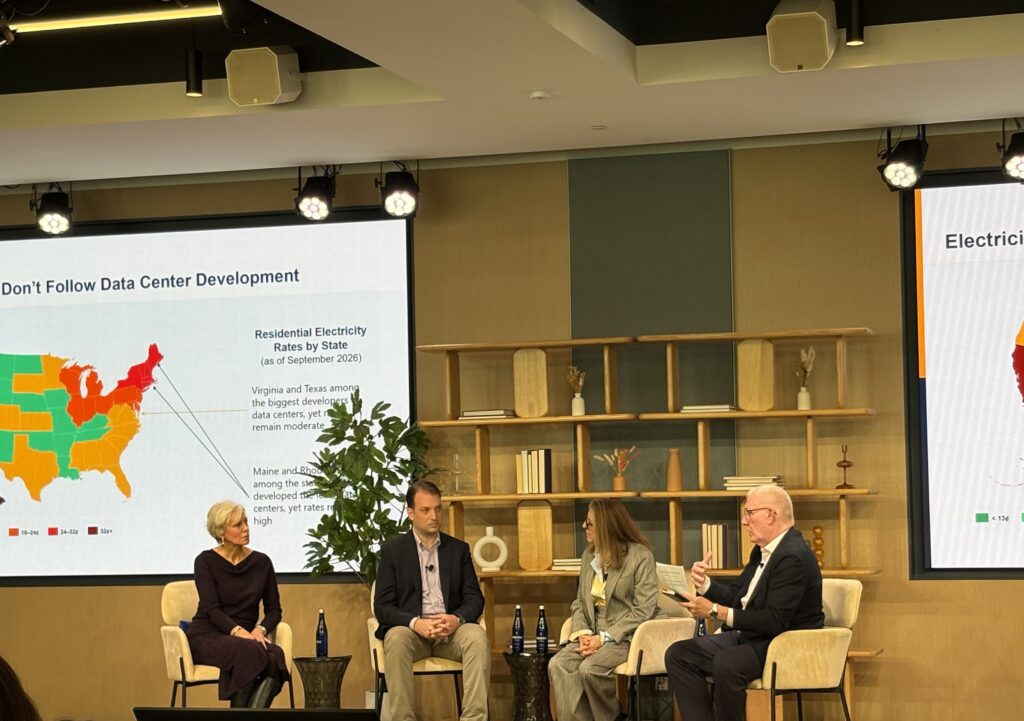
Last week, GPP attended The Conference Board’s M&A Summit at Nasdaq MarketSite for an afternoon of panel discussions led by M&A advisors about the current M&A environment and risks and opportunities. Among the highlights of the afternoon was a panel with GPP Partner Felipe Ucrós, alongside moderator Jamie Heller of Business Insider and co-panelists Doug Braunstein of Wells Fargo and Melissa Sawyer of Sullivan & Cromwell, that discussed the importance of mastering the deal narrative and stakeholder communications strategy. Two takeaways came through loud and clear: the importance of communicating to a company’s number one asset, its employees, and reading the political moment at both the state and federal level. Read More
Project “Half Cash, Half Stock” eBay Surprises No One by Rejecting GameStop’s Bid
In a letter to GameStop CEO Ryan Cohen, eBay’s board chair described the $56 billion unsolicited bid as “neither credible nor attractive.” Cohen has previously expressed willingness to run a proxy fight at the company should the board reject his bid. Once again, Matt Levine’s commentary is a must read. Read More
Financial Times: Intertek set to Agree £10.6bn Takeover by Private Equity Group EQT
Intertek, an Assurance, Testing, Inspection and Certification (ATIC) provider, is ready to recommend EQT’s offer after rejecting the private equity firm’s previous three bids. This comes as the company finds itself under activist pressure from Matt Peltz and Palliser Capital. Read More
Financial Times: Nelson Peltz In Talks to Raise Funds for Wendy’s Go-Private Bid
Trian Fund Management, who recently partnered with General Catalyst and QIA to take Janus Henderson private and owns 16% of Wendy’s, has their sights set on taking the fast-food chain private and is looking for investor backing to formalize a bid in the latest in the firm’s long standing engagement. Read More
The Conference Board: From Principles to Practice: Governing AI in the Corporation
Based on a recent Conference Board survey of corporate citizenship leaders, this report examines how companies are adjusting to governance in the world of AI along with an economic, policy, and reputational landscape that is constantly evolving. Read More
Governance Intelligence: Berkshire Hathaway AGM Vote Signals Rising Support for Human Capital Proposals
Support from more than a quarter of Berkshire Hathaway shareholders for a human capital disclosure proposal suggests workforce oversight is becoming an increasingly mainstream governance issue for boards. Read More
Reuters: Cerebras Set for Debut In Stock Market Gripped by AI Mania
After pricing at the top of its range this week, Cerebras has entered the U.S. market on a “wave of investor euphoria,” and kicks off a litany of anticipated AI offering this year. The excitement was shown through the first day of trading as shares opened at $350, up 89% from its IPO price of $185, valuing the company at $75 billion. Read More
CNBC: Fervo Energy Raises $1.89B in IPO: CEO on the Company’s Nasdaq Debut
Fervo’s CEO Tim Latimer joined “Squawk Box” with Andrew Ross Sorkin, saying of the geothermal startup’s successful debut, “there’s been a consistent elevation of how important new electricity growth is to the overall economy,” and “that was a big part of our decision to go ahead with the IPO.” Watch Here
As spring settles in, there are few better ways to spend a Wednesday evening than dinner and wine with friends at one of Elio’s outdoor tables on the Upper East Side. This week, we had the fortune of doing just that.
Elio’s has been welcoming New Yorkers and visitors alike since 1981, serving classic red-sauce dishes over mahogany tables on the corner of 84th Street and 2nd Avenue. It is a place that is a little gruff upon entry but softens up as the night progresses – simultaneously a spot where the veal is pounded paper-thin and some of the patrons ordering it arrive with a security detail.
We started our indulgences with beef carpaccio and fried zucchini, following them up with a few pastas for the table, including spaghetti alle vongole and lasagna bolognese. For mains we stuck to the classics: veal piccata, chicken scarpariello, and a delicious special of soft-shell crabs meunière. The table shamelessly toggled between white and red (a wonderful 2015 Barolo “Gramolere” by Fratelli Alessandria was a fan favorite), before rotating into desserts and an espresso to close out the night.
Elio’s is a New York institution. We didn’t realize how much we’d missed it and won’t wait this long again.
Finally, if you’re looking for something to do this weekend, we recommend the live music, vendors, and local artists at the Park Avenue Festival this Saturday between 34th and 40th Street.